Specialty
Deep Diver
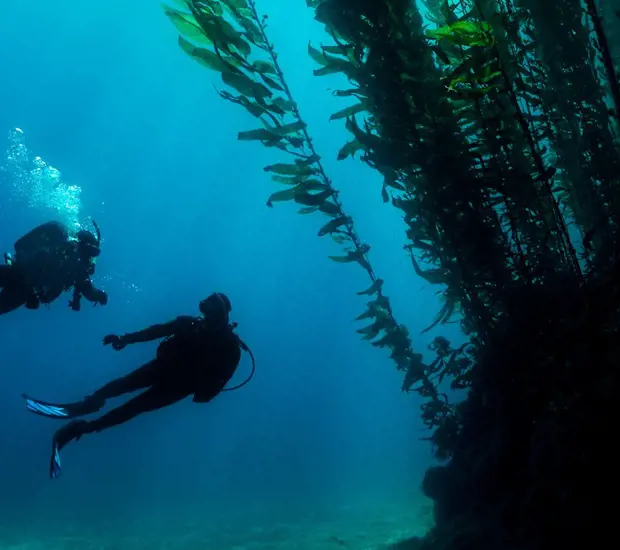
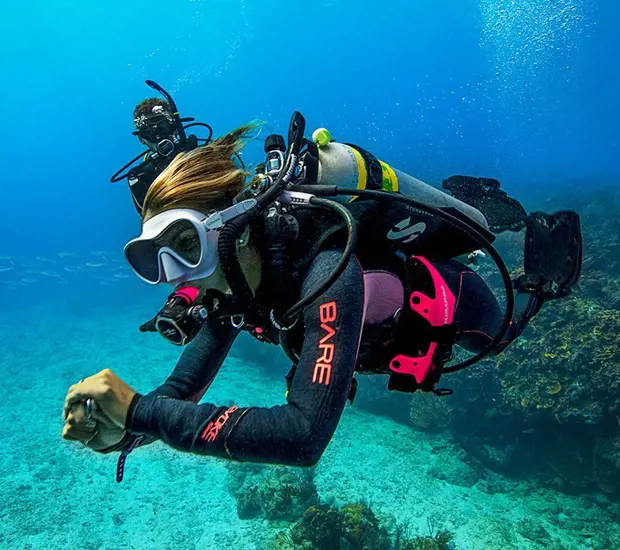
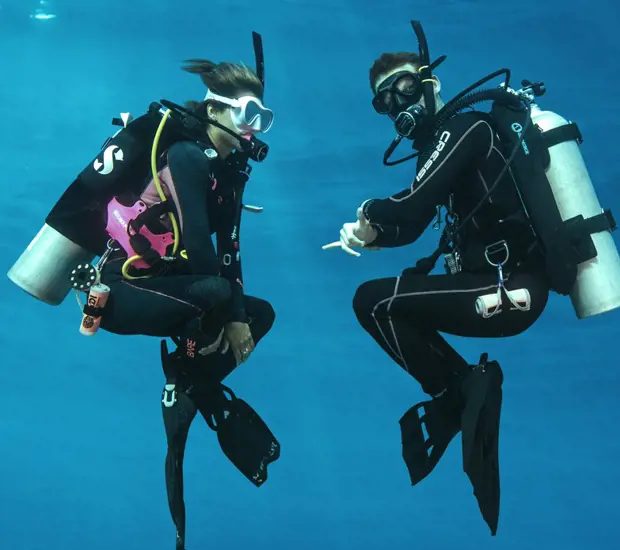
The recreational specialty for diving below 18 metres, down to the 40-metre recreational limit. It covers gas planning, narcosis, and the buddy and safety procedures that change at depth.
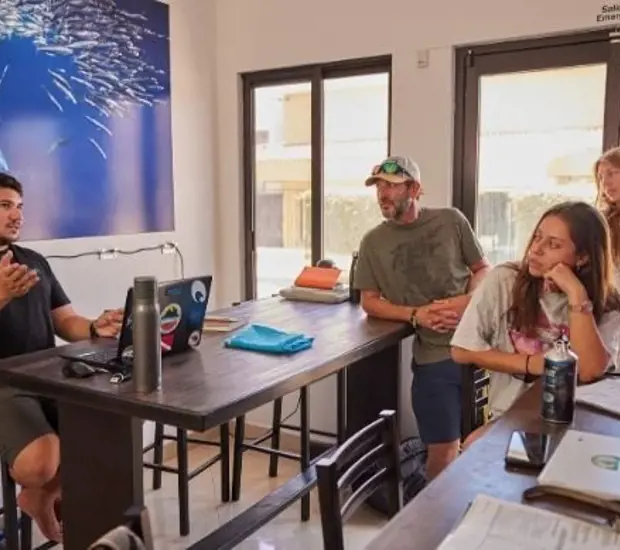
A Specialty Instructor rating is the cert that lets you certify divers in one named specialty: Deep Diver, Night Diver, Enriched Air Nitrox, Wreck Diver, Public Safety Diver, Underwater Photography, and so on down the list. The course is taught by a PADI Course Director rather than by another Instructor. Sessions cover the standards for that specialty, teaching tips, and hands-on practice running the in-water portions of the course. You walk out ready to teach it. Hands-on. Practical.
The rating matters at two career points. For an Instructor early in their career it expands what you can teach, which translates directly into more course work at a busy dive shop. Later, the rating becomes a building block for Master Scuba Diver Trainer (MSDT). Reaching MSDT requires at least five PADI Specialty Instructor certifications, so most instructors stack the ones that match their local dive shop's most-requested specialties first.
Most Specialty Instructor courses are open to active PADI Instructors. Some courses also accept Assistant Instructors, instructor candidates currently in training, and PADI Divemasters, though the certifications they can earn this way are limited. Individual specialties may have extra prerequisites: minimum logged dives, qualifying certifications, equipment requirements. Check with the Course Director before enrolling.

Specialty
The recreational specialty for diving below 18 metres, down to the 40-metre recreational limit. It covers gas planning, narcosis, and the buddy and safety procedures that change at depth.
Specialty
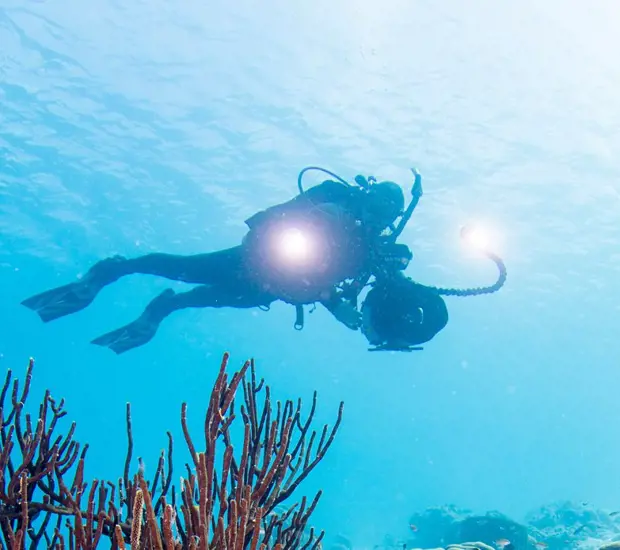
A short specialty course that gets you past the common beginner mistakes of underwater photography. Camera handling, strobe use, backscatter avoidance, colour correction. The course works with whatever underwater camera you bring, from compact point-and-shoots up to housed mirrorless and DSLR rigs.
Specialty
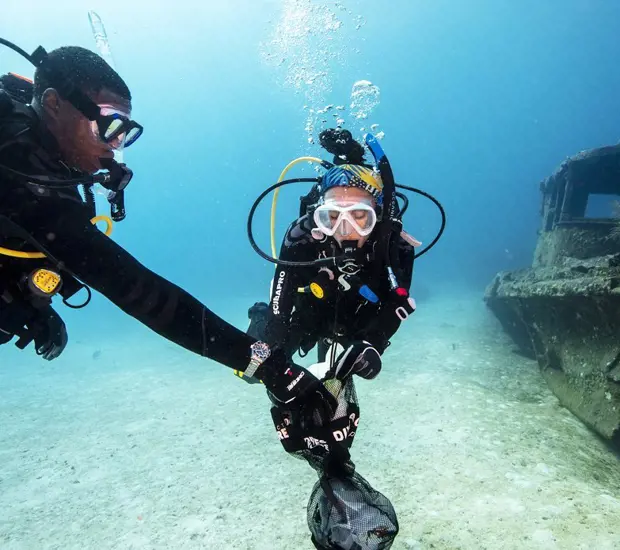
A citizen-science specialty. You learn how to survey, collect, identify and report marine debris during a dive, and how to contribute the data to PADI AWARE Foundation's global database. Two to four hours of eLearning plus one supervised survey dive. The collected data feeds real conservation reporting, not just a feel-good gesture.
Specialty
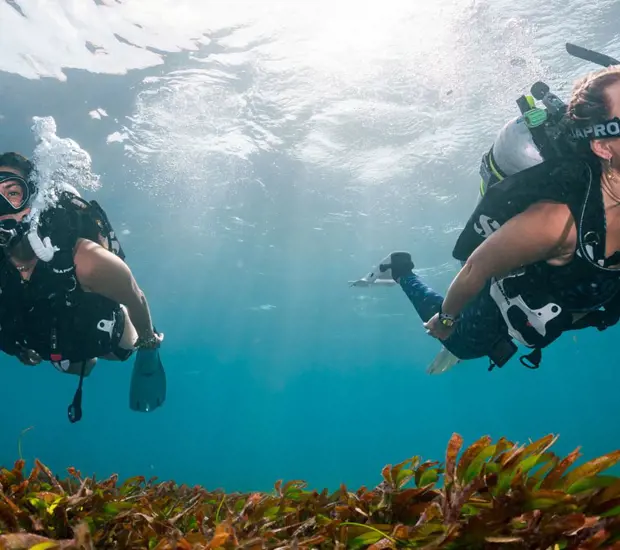
A specialty for diving in currents. You let the water do the work and cover more ground with less effort. The course covers how to plan a drift, how to stay together as a group, what surface signalling looks like, and what to do when the current strengthens or weakens unexpectedly mid-dive.
Specialty
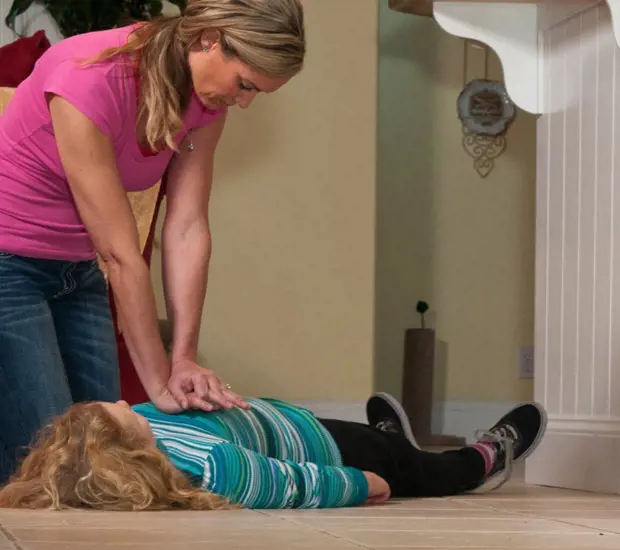
A first aid and CPR course focused on infants (under 1) and children (1 to puberty). Covers the specific techniques and adjustments needed when the patient is small: gentler chest compressions, smaller breaths, choking response, and the most common childhood injuries and illnesses. No diving prerequisite. Open to anyone who wants the training.
Specialty
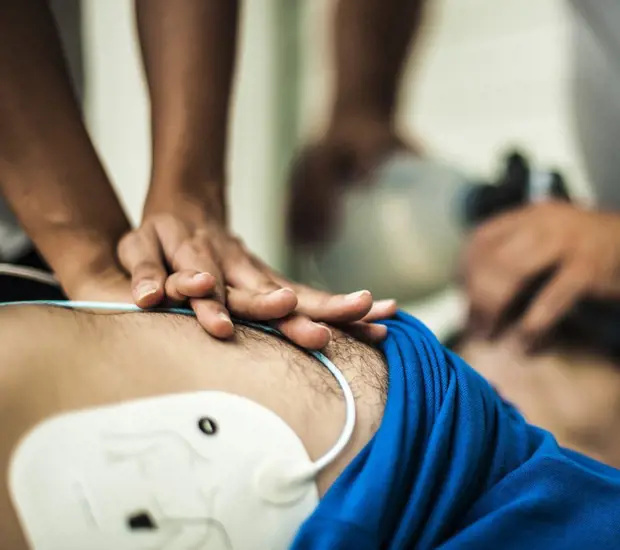
A focused course on cardiac arrest response. Covers CPR (both traditional and hands-only) and Automated External Defibrillator (AED) use. Short, practical, and open to anyone. Note: this course on its own does not meet the first aid / CPR requirement for PADI Rescue Diver or Divemaster — for those, take EFR Primary & Secondary Care instead.
Specialty
The specialty that lets you dive with nitrox: enriched-air mixes containing more oxygen and less nitrogen than ordinary air. Less nitrogen absorbed means longer no-decompression limits at depth and shorter required surface intervals. It's PADI's most popular specialty and is often done in a single day.
Specialty
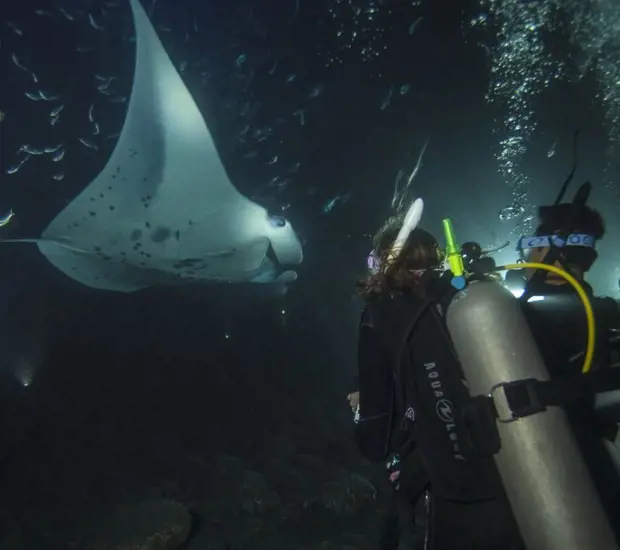
The specialty that opens dive sites to a second life. Sites look different at night. Day species retreat, nocturnal species emerge. You learn how to dive in low visibility with artificial light, how to navigate when familiar landmarks disappear, and how to use a dive light for buddy communication.
Specialty
A conservation-focused specialty open to anyone, certified diver or not. The course covers the main threats to ocean health, what individual divers can do about them, and how PADI AWARE Foundation's programmes work. Includes eLearning only — no in-water training required. A portion of the course fee goes directly to AWARE conservation work.
Specialty
The specialty that sharpens the single most important skill in diving. Good buoyancy control lets you hover without effort, use less air, descend and ascend smoothly, and observe marine life without disturbing the reef. The course rebuilds the basics taught in Open Water, then drills them until they become automatic.
Specialty
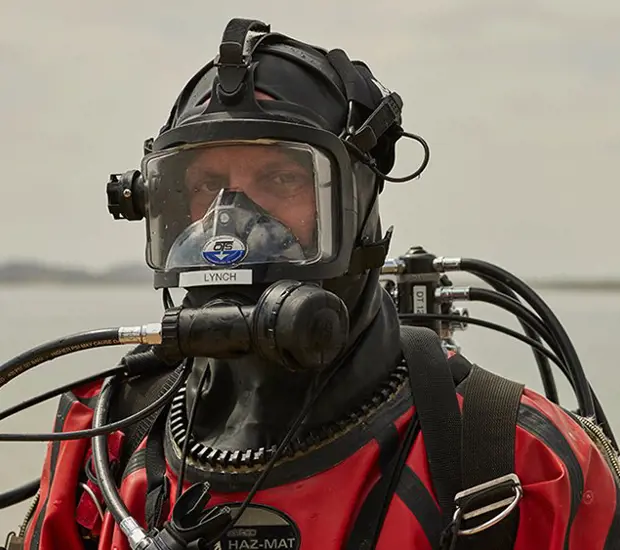
A specialty designed for divers who want to work alongside local authorities — fire and rescue, police search teams, coastguard volunteers — or who already do that work and want a structured underwater curriculum. Discipline is public safety, not recreational. Focus is on scenario practice in real conditions.
Specialty
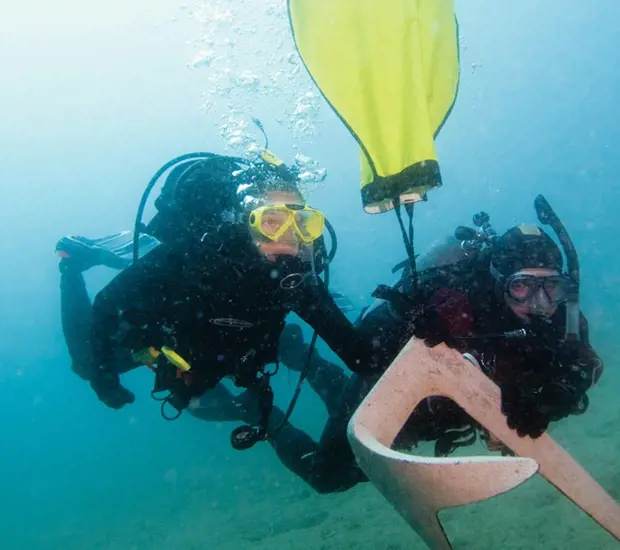
A specialty for finding lost objects underwater and bringing them safely to the surface. The course covers four standard search patterns, lift bag handling, and the planning that turns a hopeful look-around into a structured operation. Useful for recovering personal property, dropped equipment, or evidence with a recognised method.
Specialty
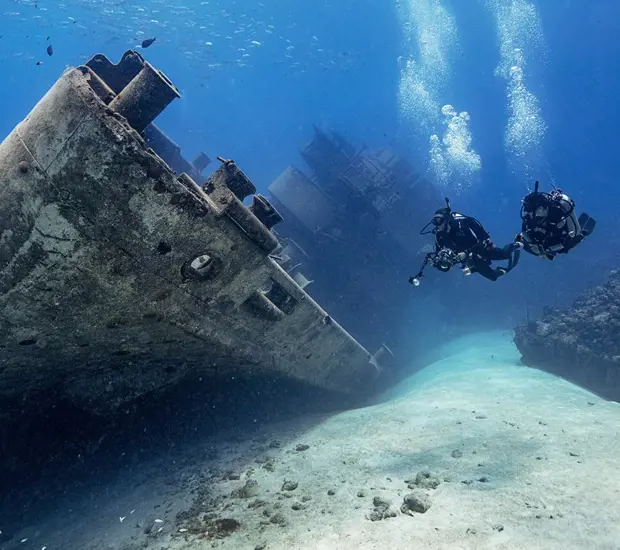
The recreational specialty for diving on wrecks. Ships, planes, vehicles — purpose-sunk artificial reefs or accidental losses. Course covers surveying, line and reel use, and the specific hazards a wreck adds to a normal dive (entanglement, sharp metal, silt-outs, restricted access). No actual penetration past safe limits.