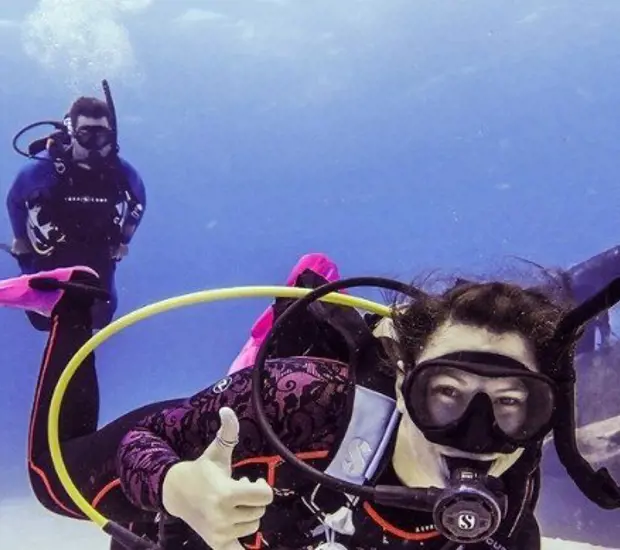
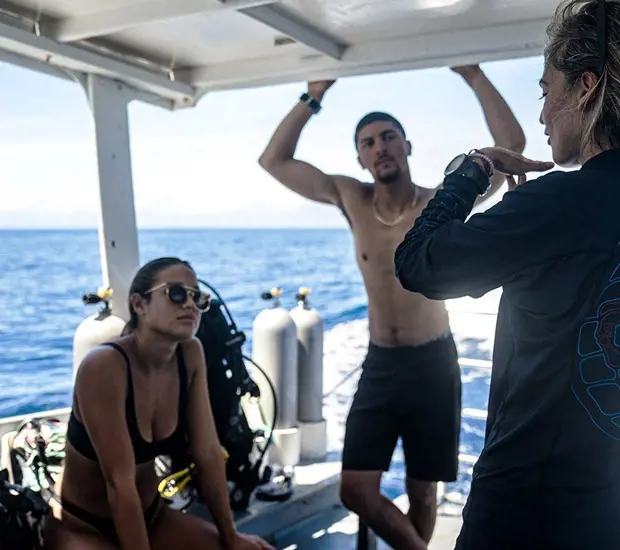
Description:
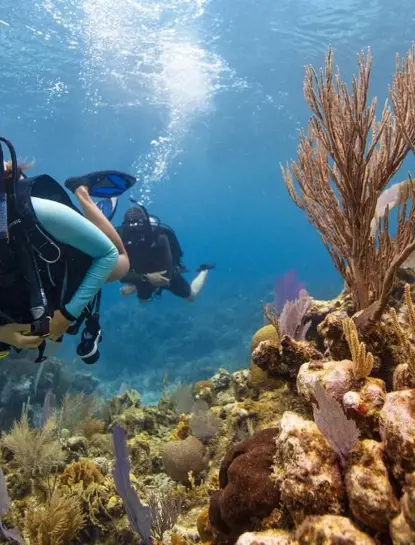
The course has three parts. Knowledge development covers the theory: how pressure changes underwater, what buoyancy is, how to plan a dive within safe limits. Confined water training takes that into a pool or pool-like environment where you learn the practical skills somewhere calm and shallow. Open water dives, four of them, usually spread over two days, are where you do the real thing in a lake, quarry or open sea.
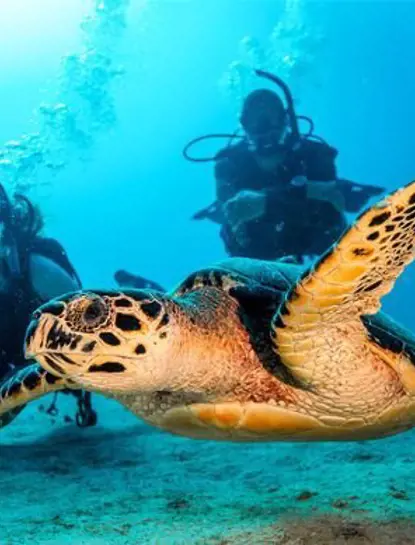
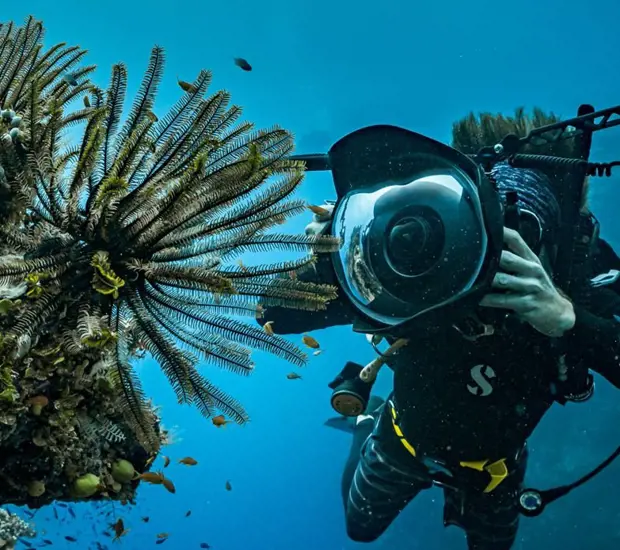
By the end you should be able to put scuba gear together and use it confidently, control your position in the water without bobbing up or sinking, approach marine life without disturbing it, and handle the routine problems that come up underwater. The certification doesn't expire, but if you go six months or longer without diving, a short refresher is sensible before getting back in.
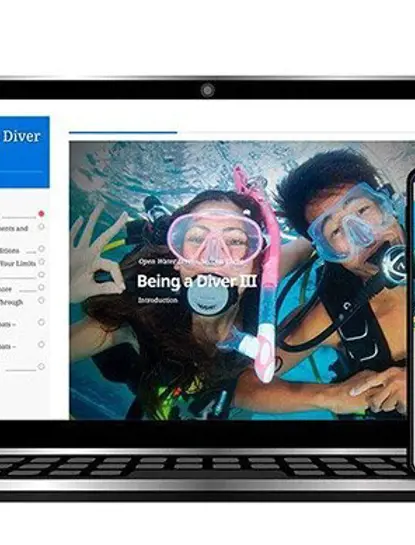
You need to be at least 10 years old and in good general health. The water-comfort check involves swimming 200 metres without aids, or 300 metres in mask, fins and snorkel, plus treading water for ten minutes. It isn't timed. The point isn't athletic ability; it's making sure you're relaxed enough in water to focus on learning. The eLearning portion runs six to eight hours; the in-water training, two to four days depending on schedule.


 Advanced